


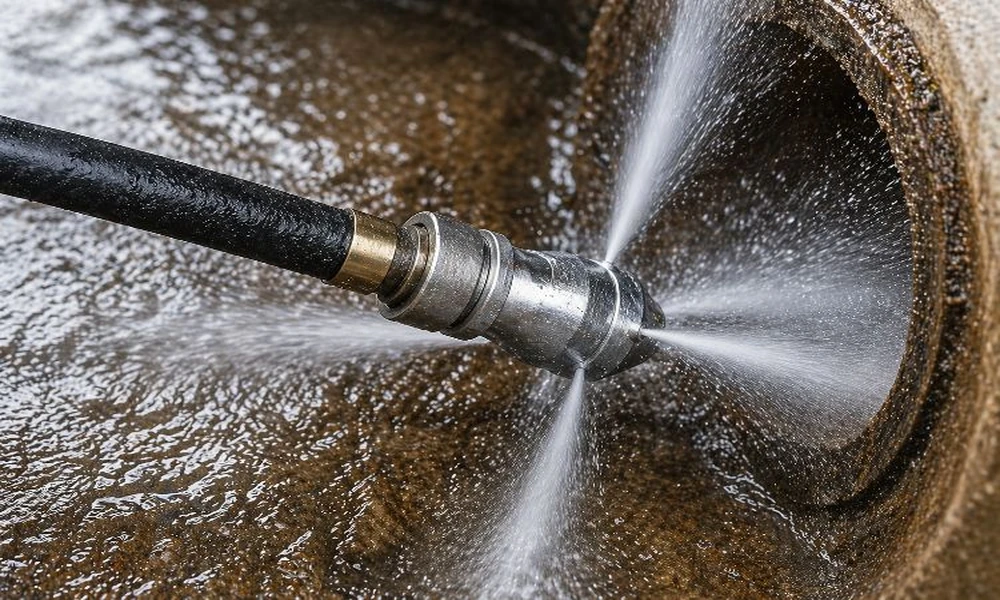
A drain does not have to be completely blocked before it deserves attention. Slow water movement, occasional odors, or a sink that needs plunging more often may signal that material is gradually collecting inside the line. Waiting until wastewater stops moving completely often turns a manageable maintenance issue into a much more disruptive backup.
Routine drain cleaning in Palm Harbor focuses on these smaller changes before they interfere with everyday plumbing use. Kitchen grease, bathroom hair, soap residue, food particles, and other debris build up differently depending on the fixture. Paying attention to those patterns creates a more useful maintenance routine than waiting for every drain to become an emergency.
Learn What Normal Drainage Looks Like
The easiest way to notice a changing drain is to know how it normally behaves.
A sink should empty at roughly the same pace from one week to another. A shower should not gradually leave deeper standing water around your feet. Toilets and nearby drains should not begin bubbling every time another fixture is used.
Small changes are easier to notice when you pay attention before a blockage develops.
You do not need to time every sink with a stopwatch. Simply notice when water begins lingering longer than usual or when a familiar drain suddenly sounds different.
Those early observations may tell you which part of the plumbing system deserves attention first.
Kitchen Maintenance Starts With What Goes Down the Sink
Kitchen drains handle grease, soap, food residue, and cleaning water every day.
Even small amounts of cooking oil may stick to the inside of drainage piping. Food particles then collect against that material, slowly reducing the open space inside the line.
Keep grease, cooking oil, and large food scraps out of the drain whenever possible.
A garbage disposal may break food into smaller pieces, but those pieces still enter the plumbing system. Using the disposal thoughtfully does not replace regular drain care.
If the kitchen sink starts emptying noticeably slower, that change deserves attention before water begins backing into the basin.
Bathroom Drains Need a Different Routine
Bathroom drains face hair, soap film, toothpaste, shaving residue, and personal care products.
Hair catchers provide a simple way to reduce the amount entering showers and tubs. Cleaning visible material from the drain opening periodically may also keep debris from moving farther down the pipe.
The warning signs are often gradual.
A shower drains normally at first, then begins holding a shallow layer of water. A bathroom sink needs more time to empty after brushing your teeth.
Those changes provide an opportunity for maintenance before the line becomes fully blocked.
For information about local residential drain maintenance services, consider having recurring slow drains evaluated before repeated temporary clearing becomes the normal routine.
Recurring Clogs Are More Important Than One Random Clog
Almost every property deals with an occasional clogged drain.
The pattern changes when the same fixture blocks repeatedly.
If a sink slows again only days or weeks after it was cleared, material may remain farther inside the pipe. A temporary opening may allow water through without removing buildup along the interior walls.
Keep track of how often the clog returns.
A drain that needs attention every few years presents a different maintenance problem from one that repeatedly needs plunging throughout the same season.
Professional drain cleaning in Palm Harbor should consider that history rather than treating each recurrence as an unrelated event.
Grease Is Easier to Prevent Than Remove
Fats, oils, and grease create some of the most persistent drainage buildup because they may coat pipe surfaces instead of moving completely through the system.
The U.S. Environmental Protection Agency identifies fats, oils, and grease as materials associated with sewer blockages. Its guidance on sanitary sewer overflows also notes that inappropriate household products and tree roots may contribute to restrictions.
Collect cooking grease in a container and dispose of it with appropriate household waste rather than pouring it into the sink.
Small habits like this reduce the amount of buildup that future cleaning needs to remove.
Pay Attention to Gurgling Before a Backup
Drainage systems need room for both wastewater and air to move.
When a line becomes restricted, nearby fixtures may begin making bubbling or gurgling sounds as water travels through the system.
Notice when the sound happens.
A shower drain that gurgles whenever a toilet flushes provides more useful information than a random noise heard once.
If several fixtures start reacting to each other, the restriction may sit farther downstream than one individual drain.
That pattern deserves attention before wastewater begins appearing in places where it should not.
Odors Belong in the Maintenance Conversation
A drain that smells unpleasant may still appear to work normally.
Organic material, grease, food debris, or stagnant water may remain inside the line long enough to create odors before flow becomes noticeably restricted.
Cleaning the visible drain opening may improve the smell temporarily.
If the odor keeps returning, however, the source may sit deeper within the drainage system.
Take note of which drains smell and whether the odor appears after particular fixtures are used.
Recurring odors provide another clue that routine cleaning may need to go beyond the surface.
Several Slow Fixtures Point Toward a Larger Pattern
One slow bathroom sink often suggests a problem near that fixture.
Several slow fixtures appearing around the property create a different situation.
If a shower, toilet, and nearby sink begin changing together, they may share part of the same drainage path. Problems affecting fixtures in different rooms may point farther downstream.
This is why drain cleaning in Palm Harbor should begin with a simple question: how many drains are actually affected?
The answer determines whether the service stays focused on one branch or expands toward a main drain or sewer line.
Outdoor Drains Need Seasonal Attention Too
Palm Harbor properties may also depend on outdoor drains to move rainwater away from patios, driveways, and other paved areas.
Leaves, soil, mulch, and landscaping debris may collect around these openings.
Check outdoor drains before periods of heavier rain.
Remove loose surface debris and notice whether water begins pooling longer than usual after storms. A drain that clears slowly during moderate rain may struggle even more during a stronger weather event.
Outdoor drainage is separate from household wastewater plumbing, but routine observation serves the same purpose: identifying reduced flow before a complete blockage develops.
Avoid Treating Every Slow Drain With Chemicals
Store-bought drain products may seem convenient, especially when a sink is still partially draining.
They do not necessarily remove the entire obstruction.
Some products may create a small path through buildup while leaving material attached farther along the pipe. Repeated use also introduces additional chemicals into a line that may eventually require mechanical service.
Never mix drain-cleaning chemicals.
If a product has already been used, tell the technician before professional service begins. Knowing what is inside the line matters when cleaning equipment will enter the same piping.
Maintenance Frequency Depends on How the Property Is Used
There is no single cleaning schedule that fits every house.
A busy household with several occupants places different demands on drains than a home occupied by one or two people. Cooking habits, long hair, garbage disposal use, older piping, and previous clog history may also influence how quickly buildup returns.
Instead of choosing an arbitrary schedule, use the property’s actual behavior as a guide.
If certain drains repeatedly slow down after a predictable amount of time, that history provides useful information for planning future maintenance.
The objective is to clean before recurring buildup becomes disruptive rather than servicing perfectly functioning pipes without a reason.
Main Lines Deserve Attention When Problems Spread
Routine maintenance changes when symptoms move beyond one fixture.
Repeated backups across several drains, gurgling throughout the house, or wastewater appearing in lower fixtures may point toward a main-line restriction.
Tree roots, accumulated grease, debris, pipe defects, and other conditions may contribute farther underground.
The EPA notes that root intrusion through defects in sewer piping and inadequate cleaning may contribute to sewer blockages.
When the problem reaches this level, repeated work at individual sinks may not deal with the actual location of the restriction.
Cleaning Should End With a Flow Check
Drain service should finish by testing the same area that caused the original concern.
Run water through the affected sink, tub, or shower. If several fixtures are interacting, check how they respond after cleaning.
Water should move without the same slow drainage, bubbling, or backup that led to the appointment.
Testing matters because clearing visible material is not the objective by itself.
The service needs to restore normal drainage through the affected section.
If the original symptom remains, further evaluation may be needed rather than assuming the maintenance is complete.
Build Maintenance Around Early Warning Signs
Drain maintenance works best when it responds to patterns instead of emergencies.
Slow drainage, recurring clogs, odors, gurgling, and several fixtures reacting together all provide opportunities to act before wastewater begins backing up.
Thoughtful drain cleaning in Palm Harbor combines routine habits with professional service when buildup becomes difficult to manage through ordinary care.
If your drains keep slowing down, odors repeatedly return, or clogs have become part of your regular household routine, contact Palm Harbor Drain Cleaning Pros to have the affected lines evaluated and discuss a maintenance approach based on the way your plumbing is actually being used.

