


Introduction
Welding, cutting, brazing and grinding all create the same hidden danger: sparks and hot metal that can travel a long way and smolder for hours. Many serious fires have started from a few minutes of repair work. A fire watch is the standard safeguard against that, and in most workplaces it is a firm requirement. Here is why it matters and what the person on watch is expected to do.
Establishing strict safety protocols before initiating high-heat operations is vital for protecting workers, structural integrity, and nearby equipment. Utilizing certified Fire Watch Guards provides constant visual monitoring and immediate threat assessment while sparks and slag are actively generated. This continuous observation ensures that any stray embers or heat buildup are identified and extinguished long before they can develop into uncontrolled structural fires.
Why Sparks Are Such a Problem
Hot work does not only ignite things next to the torch. Sparks and molten slag can bounce across a floor, drop through cracks and gaps and land in places the welder cannot see. Fire safety standards, including NFPA 51B, treat combustible materials within about thirty-five feet as being at risk. A spark that lands in dust, cardboard or insulation can smolder quietly and burst into flame long after the work stops. Dust is a frequent cause, so clean the work area before starting and wet down the floor where practical.
What the Fire Watch Does During the Work
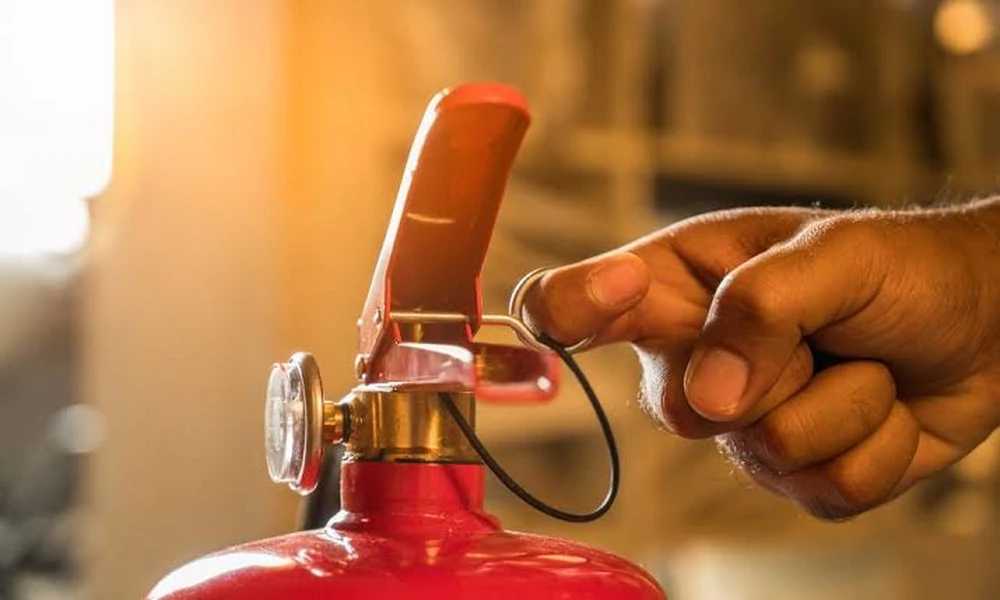
The person on watch has one job: to watch for fire. They stand where they can see the work area and the places sparks might travel, including the other side of walls and the floors above and below. They keep an extinguisher or hose within reach, know how to raise the alarm and are ready to put out a small fire or call for help. They should not be given other tasks. The watcher should be able to reach an exit, a phone and an alarm point without leaving their position.
Staying After the Work Ends
The risk does not end when the torch is turned off. Standards commonly require the watch to continue for at least thirty minutes afterward, and some employers, insurers or authorities ask for an hour or more. During this time the watcher checks the work area and adjacent spaces for smoke, heat or glowing material. Leaving early is one of the most common mistakes in hot work. Smoke from a hidden fire may appear in the room above or beyond a wall, so look there as well.
Getting the Setup Right
A hot work permit usually comes first, listing the location, the type of work and the precautions. Combustibles are moved or covered with fire-resistant blankets, floor openings are sealed and sprinklers or detectors are checked. The watcher is trained and named on the permit. Records of the time, the checks and the end of the watch should be kept with the permit. Training should cover the type of extinguisher, how to use it and when to withdraw instead.
Conclusion
Hot work sends sparks farther and for longer than most people expect. A trained fire watch, equipped, focused and staying afterward, is what turns a risky task into a controlled one. Treat the watch as part of the job, and the work can be finished without a fire.

