Spalling Concrete Repair Contractors: Causes, Fixes & Costs

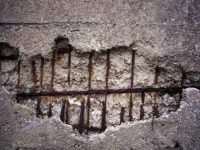
Spalling concrete repair contractors address a form of structural deterioration that, whilst appearing suddenly to property owners, has actually been developing invisibly for months or years beneath the surface. One day your building’s concrete appears intact; the next, chunks have fallen away, exposing rusty steel reinforcement bars within. This transformation isn’t spontaneous but rather the culmination of electrochemical reactions occurring at the molecular level, a reminder that even materials we consider permanent are subject to forces of decay operating on timescales we rarely notice until damage becomes unavoidable.
Understanding the Science of Spalling
Concrete spalling occurs through a process that would fascinate any student of materials science. Water penetrates concrete’s porous structure, reaching embedded steel reinforcement. In Singapore’s humid, chloride-rich coastal environment, this moisture triggers corrosion. As steel oxidises, it expands to several times its original volume, creating internal pressure that concrete cannot withstand. The result is cracking, delamination, and eventually the breaking away of concrete chunks, or “spalls,” exposing the corroded metal beneath.
The timeline varies based on concrete quality, cover depth, and environmental exposure. Buildings near the sea face accelerated deterioration due to salt-laden air. Those subject to water leakage experience faster corrosion cycles. Poor initial construction practices create vulnerabilities that manifest decades later as spalling damage.
“What clients see as sudden failure actually represents years of hidden deterioration,” explains a spalling concrete specialist with three decades of experience. “By the time spalling becomes visible, the damage has usually progressed far beyond what appears on the surface.”
Common Causes in Singapore’s Context
Several factors accelerate spalling in Singapore’s built environment, creating predictable patterns of deterioration:
- Chloride ingress from coastal exposure or de-icing salts tracked into buildings
- Carbonation where atmospheric carbon dioxide reacts with concrete, reducing its alkalinity
- Inadequate concrete cover depth failing to shield reinforcement from moisture and oxygen
- Water infiltration through cracks or failed waterproofing allowing sustained moisture contact
- Poor quality concrete with excessive porosity enabling rapid moisture penetration
- Thermal cycling causing micro-cracking that creates water pathways
These mechanisms operate simultaneously in most cases, their combined effects hastening the journey toward visible failure. Understanding causation proves essential because effective repairs must address root causes rather than merely patching visible damage.
The Repair Process: Beyond Surface Treatment
Competent concrete repair contractors approach spalling with systematic methodology reflecting understanding of underlying deterioration mechanisms. Surface patching alone guarantees recurrence because it ignores corroded steel and compromised surrounding concrete. Proper repairs follow established protocols.
Initial assessment involves sounding concrete with hammers to identify delaminated areas beyond visible spalls. These hollow-sounding sections, whilst still attached, have separated from underlying material and will soon fail.
“We tell clients that what they see represents perhaps 30 percent of the actual problem,” notes a concrete repair specialist. “The visible spalling is just where failure progressed far enough for concrete to break away. Surrounding areas are often equally compromised but haven’t separated yet.”
The repair sequence involves:
- Removal of all loose, delaminated, and contaminated concrete
- Exposure and cleaning of corroded reinforcement bars
- Treatment or replacement of severely corroded steel
- Application of anti-corrosion coatings to cleaned reinforcement
- Filling with specialised repair mortars designed to match original concrete properties
- Surface finishing and protective coating application
Cost Considerations and Pricing Variables
Spalling repairs in Singapore typically cost between $80 and $250 per square metre, though this range expands significantly based on project-specific factors. Location accessibility dramatically affects pricing; ground-level work costs substantially less than high-rise repairs requiring scaffolding or gondola access. Repair depth matters too, with deep spalls demanding more material removal, additional reinforcement work, and multiple mortar layers.
The extent of steel corrosion influences costs considerably. Light surface rust requires only cleaning and coating, whilst severe section loss necessitates additional steel installation or specialised galvanic protection systems. Materials selection also impacts pricing, with standard cementitious mortars costing less than advanced polymer-modified systems offering superior performance.
Hidden costs often surprise property owners. Access equipment, removal and disposal of contaminated concrete, protection of surrounding areas, and project management fees add to base repair costs. Concrete spalling experts who provide detailed quotations itemising these elements earn trust by eliminating unwelcome surprises.
Preventative Measures and Long-Term Outlook
The most cost-effective spalling treatment is prevention. Regular inspections identifying early signs like rust staining, hairline cracks, or hollow sounds enable intervention before expensive deterioration occurs. Maintaining effective waterproofing, promptly repairing cracks, and applying protective sealants extends structural lifespan significantly.
Singapore’s aggressive environment means concrete deterioration isn’t a question of if but when. Buildings constructed during earlier development phases now approach ages where spalling becomes prevalent.
“The buildings going up in the 1970s and 80s are hitting their spalling years now,” observes a veteran concrete restoration contractor. “We’re seeing wave after wave of repair work as structures reach ages where original materials can no longer resist environmental assault.”
This observation, whilst sobering, need not prompt despair. Properly executed repairs can extend structural life for decades, and modern protective technologies offer superior performance compared to methods available when these buildings were constructed. The key lies in engaging qualified professionals who understand that effective concrete repair requires addressing causes rather than merely concealing symptoms, a principle that distinguishes lasting solutions from temporary fixes. Choose spalling concrete repair contractors who demonstrate this understanding through their diagnostic approaches, repair methodologies, and willingness to educate clients about both immediate solutions and long-term maintenance strategies.