


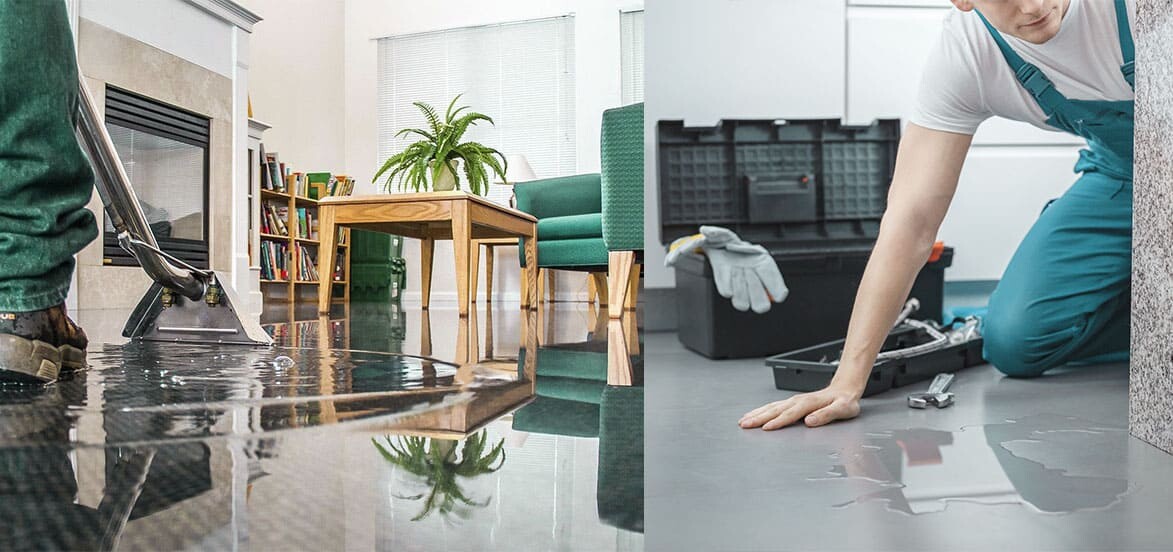
After finally seeing the last of the standing water sucked out by professional extraction teams, Orlando property owners breathe an initial sigh of relief. However, without vigilant preventative care during the subsequent days and weeks, irreparable secondary damage easily takes hold even after successful initial water removal. Taking proactive precautions post-extraction dramatically reduces risks of later destruction from mold, warping, corrosion, and other moisture-related issues.
Assess extraction effectiveness
Before shifting fully into recovery mode, confirm with your Orlando water mitigation firm that all detectable moisture has been fully eliminated, not just visible flood waters. Utilizing infrared cameras and moisture meters, restoration technicians systematically check for trapped moisture in walls, under flooring, and elsewhere that could still influence repairs. Misjudging remaining moisture leads many property owners to underestimate secondary damage potentials. Ensure your provider verifies thorough dryness with analytics before dismantling drying equipment and containment measures. Getting overconfident too early often enables unseen moisture to spawn serious problems later on.
Initiate structural drying ASAP
Even after seemingly successful visibility water removal, underlying materials often retain dangerously high moisture content. Starting structural drying immediately using dehumidification and air movement helps strengthen defenses against this concealed issue. Depending on flood severity and contamination levels, commercial drying may operate for 3-7 days continually drawing residual moisture from the home or building’s bones. Though not witnessing active leaks, absorbing mitigated materials still relinquishes enormous water volume over this period. Structural drying protects those hidden elements.
Follow provider guidance
Reputable Orlando extraction firms understand how vital diligent preventative care proves following emergency response. Providers offer key guidance tailored to your unique water loss situation regarding secondary damage precautions needing focus:
- Ongoing drying needs – Requirements for supplemental consumer-grade drying equipment to deploy after commercial operations wraps, such as small dehumidifiers, fans, and heating.
- Vulnerable areas – Locations prone to mold or other moisture problems need monitoring using moisture meters. Especially areas with absorption materials removed that expose the framework.
- Hazardous contaminant precautions – Guidance protecting occupants from prior flooding contaminants using protective equipment, cleaning protocols, HVAC filter changes, etc.
Following these professional recommendations avoids oversights allowing preventable secondary damage. Restoration capability statistics prove how vital diligence during this transitional phase stands between initial recovery and full repairs.
Address safety and operability first
Before examining cosmetic concerns, ensure fundamental life safety and basic operating conditions exist first.
- Fix any remaining moisture sources. Fully repair broken pipes, leaks, and weather damage that caused flooding.
- Restore safe electrical function after power gets interrupted and wiring is immersed during flooding. Use fan drying and test operation before re-energizing.
- Clean and disinfect thoroughly throughout the interior, especially for sewage/chemical contamination.
- Evaluate structural integrity if flooding substantially eroded foundations, or compromised walls. Shore up deficiencies.
Securing these foundational necessities for occupancy stops functionality losses from enabling further building degradation or risks to inhabitants. If you require additional information, don’t hesitate to visit damagecontrol-911.com.
Commence methodical repairs
With all drying finished and preventing additional moisture, move ahead with meticulous repairs addressing actual flood damage unleashed on flooring, drywall, and contents. Work systematically from the highest areas down in multi-story structures. Dispose of debris properly. If extensive repairs get planned to delay move-in, implement containment measures around exposed framework and materials. This added buffer keeps elevated operational humidity or unexpected weather from infiltrating stripped sections, leading to further headaches. Exercise patience doing repairs right, rather than rushing to wrap haphazardly.
While disruptive initially, major water catastrophes often slowly give way to relief as the visible crisis and flooding rescinds following professional extraction. Staying cleanly transitioned from emergency response mode well into methodical repairs stands critical to avoiding secondary water damage pitfalls. Keep sight set on the long game.

