Commercial Roofing: Essential Protection for Business Properties
Commercial roofing is a critical component of any business building. Whether it is an office complex, warehouse, retail center, or manufacturing facility, the roof plays a major role in protecting the structure, equipment, and people inside. A strong and properly installed commercial roof helps businesses avoid costly damage, maintain energy efficiency, and ensure long-term durability.
Because commercial buildings are typically larger and built differently from residential homes, their roofing systems must be designed to meet unique structural and environmental demands. Choosing the right materials and professional roofing services can make a significant difference in the performance and lifespan of a commercial roof.
Understanding Commercial Roofing Systems
The roofs of the business are normally low-sloping or flat in contrast to steep roofs of most residential buildings. The design provides room to accommodate other equipment like HVAC systems, solar panels and ventilational units. Nevertheless, flat roofs need special materials and methods of their installation to avoid accumulation of water and to provide drainage.
Commercial roofing is one of the most challenging issues because it involves dealing with water flow. When the rain water does not drain the roof appropriately, then they may weaken the roofing materials and lead to leakages. In order to avoid this, commercial roofing systems are developed with drainage solutions and waterproof membranes that ensure that the structure is not damaged by moisture.
The other one is the durability. The commercial roofs should withstand excessive weather conditions like high winds, intense sunlight, heavy rain and temperature variations. The roofing materials must be of high quality so that the roofs are able to withstand these conditions in many years.
Common Types of Commercial Roofing Materials
A variety of roofing materials are common in commercial architectural work, all with various benefits in relation to the requirements and the budget of a building.
Built-Up Roofing (BUR) is one of the most traditional commercial roofing systems. It is made up of several coats of asphalt or bitumen mixed with strengthening fabrics. These layers form an insulating layer that is waterproof and prevents moisture and weather damage to the building. BUR systems have a long life cycle and are also described as being durable. Visit https://www.nachi.org/gallery/built-up/built-up-roofing-bur-components to read more about BUR.
Modified Bitumen Roofing is an adaptation of the conventional built-up roofing. It also contains polymer-treated materials which provide flexibility and strength. This roofing is effective in regions where the roofing materials are subjected to fluctuations in temperature which in turn make them expand and contract.
TPO Roofing (Thermoplastic Polyolefin) is a relatively popular one over the recent years. It is a single ply membrane which is energy efficient. The reflective surface would assist in the minimization of the heat absorbed, hence, cooling downs may be reduced in the hot weather.
EPDM Roofing is an artificial rubber roofing membrane, which is commonly applied on flat roofs. It is also characterized as a flexible and weather resistant one, which can perform in both hot and cold conditions. When EPDM roofs are properly maintained and installed, they may last several decades.
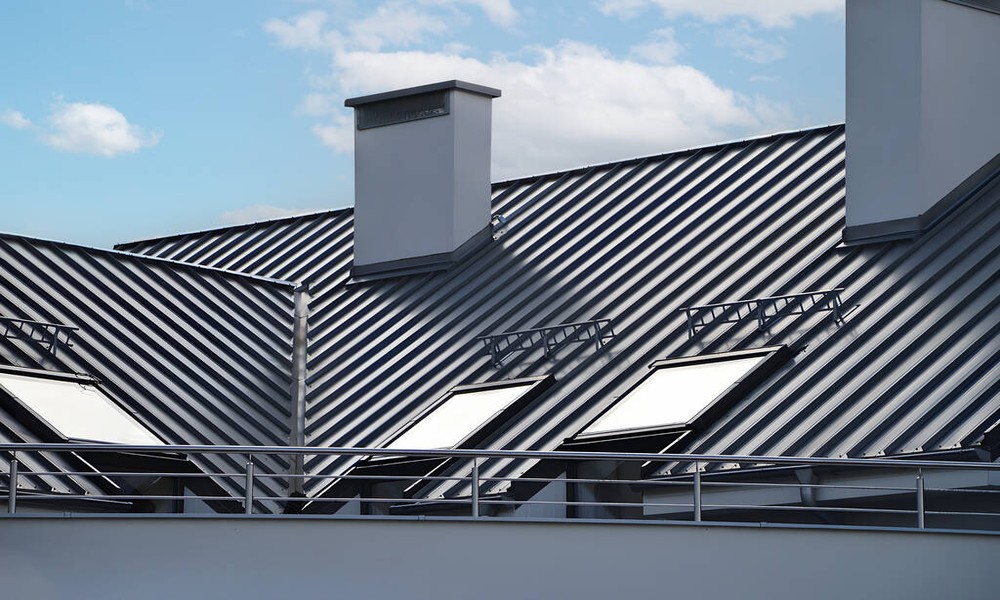
Metal Roofing is another durable option often used for commercial and industrial buildings. The metal roof is very fireproof, windproof, and weatherproof. They are also energy saving as they reflect sunlight thus reducing the cost of cooling.
Importance of Professional Roofing Installation
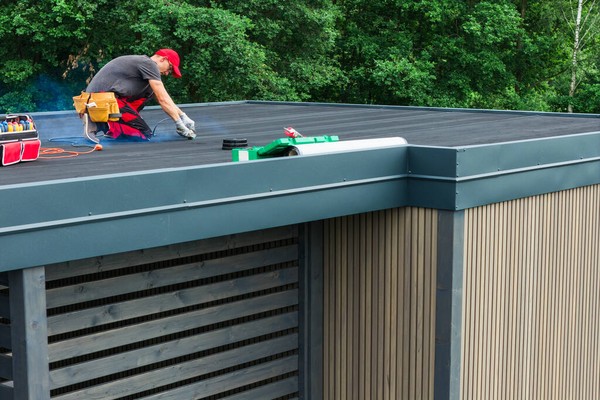
The installation of a commercial roofing system is a complicated process, which needs special abilities and experience. Professional roofing contractors know how to install roofing materials correctly and tie seams and develop effective drainage systems.
The installation is normally started by a complete check of the roof structure of the building. Before deciding on the best material to use, contractors inspect the roof deck, insulation and drainage systems. This is because good preparation is going to make the new roof work and hopefully serve as long as it can.
Roofing workers ensure that membranes, flashing and insulation layers are well secured during installation. These elements interact to form a waterproof effect that prevents leakages in the building and environmental degradation.
The recruitment of skilled roofing workers also makes sure that the work adheres to the local building codes and safety standards.
Maintenance and Roof Inspections
Maintenance is a regular practice needed to ensure that a commercial roof is extended in its life. With time the weather and other environmental factors can result in wear and tear.
Regular checks enable roofers to identify small problems early enough before they become big problems. Other services provided during maintenance are cleaning the debris on the roof, inspecting seams and flashing, and correcting minor cracks, and also ensuring that the drainage systems are clear.
It is the recommendation of many experts that commercial roof inspection should be done at least twice a year, or after severe storms. Preventative maintenance is used to ensure that the business does not face unexpected breakages and safeguard the long-term functioning of the roof. You can learn more about metal roofing maintenance online.
Signs a Commercial Roof Needs Repair
There are warning signs that must be given attention to by business owners which may be a cause of roofing issues. Structural damage and expensive repairs can be avoided due to the early detection.
The typical symptoms are water stains like on ceilings or walls, standing water on the roof surface, broken or damaged roofing membranes, flashing that is loose and high energy bills as a result of poor insulation. These problems should be addressed in a short time to ensure the building remains safe and efficient.
Conclusion
A business property would not survive without commercial roofing. An efficient roof acts as a shield to the building against environmental degradation and increases in energy-saving and sustaining its day-to-day functions.
Businesses can also have reliable protection with several years to go by choosing the correct roofing materials, dealing with well trained professionals as well as regular checkups of the roof. A well-constructed commercial roofing system is not only the one that ensures the protection of the house but also adds to the overall quality and prolonged existence of the building.