


Upholstery is the art and science of re-covering, updating, or revising furniture, including chairs, sofas, and other seating. It involves replacing the fabric, padding, and springs of a piece of furniture to restore its unique appearance and functionality. You have the choice to update your existing furniture to a new look with different fabrics.
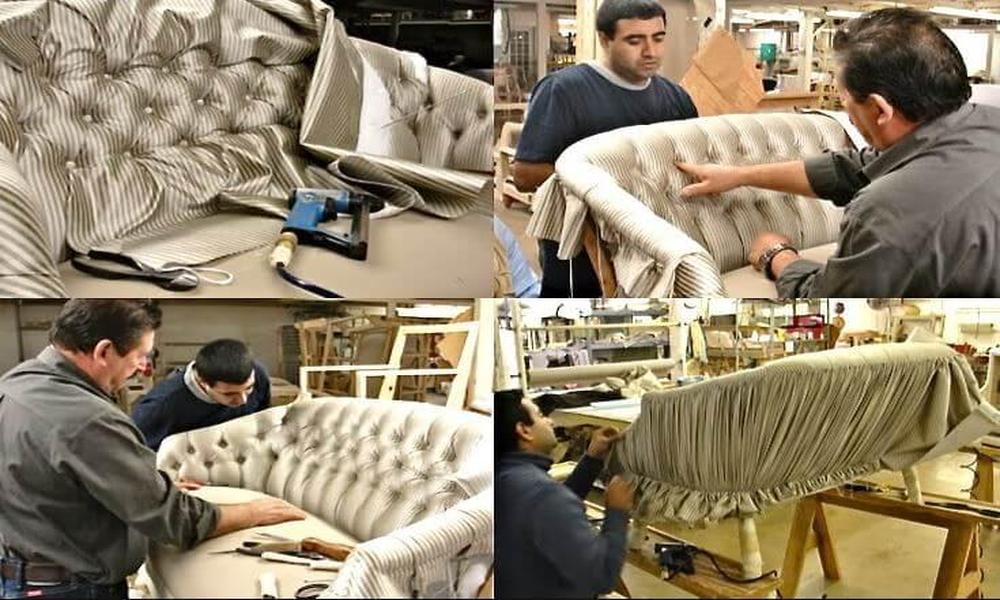
Reupholstering furniture involves several steps, starting with removing the existing fabric and padding. The frame and springs are then inspected and repaired as needed. The new fabric is then cut to equal size and sewn together to create a fit, tight, and smooth fit. The padding is added back in, and the new cover is secured to the frame using a variety of methods or techniques, such as staples, tacks, or glue.
Upholstery proposes several benefits over buying new expensive furniture. Firstly, it is more cost-effective, as reupholstering a piece of furniture is typically less costly than buying a brand new one that’s why everyone can go for reupholstering. Secondly, it enables greater customization and personalization, as the user can select the fabric, color, design, and pattern that best suits their personality, taste, and style. Thirdly, it is more sustainable, as it reduces waste by extending the life of existing furniture.
Upholstery also provides a wide range of design possibilities. With so many fabrics designs and materials, colors, and patterns available, there are endless possibilities for creating an antique, unique, and stylish piece of furniture. Upholstery can also be used to update, revise, and modernize an older piece, giving it a new fresh, and contemporary look.
The key aspect of upholstery is the selection of fabric. The fabric not only specifies the appearance of the furniture but also its durability and functionality. Factors should be considered when selecting a fabric such as color, pattern, texture, and durability. For example, a family with children and pets may want to select a durable and stain-resistant fabric, while someone looking for a royal and luxurious feel may opt for a soft silk, velvet, or chenille.
Upholstery also needs a high level of skill and expertise to complete. A skilled or experienced upholsterer must understand the anatomy of furniture, such as the structure and function of the frame, springs, and padding. They are skilled in trimming, cutting, and sewing fabric to create a tight and smooth fit. Upholsterers use a variety of tools with different methods and techniques, such as sewing machines and staple guns, to achieve the desired result.
Conclusion
Upholstery is a crucial aspect of furniture design and restoration. It provides a cost-effective, customizable, and sustainable solution for revising, updating, and restoring existing furniture. With a range of fabrics, colors, and patterns available, there are endless possibilities for developing a unique and stylish piece of furniture. Upholstery needs a high level of skill and expertise, making it a true art form furniture piece.

