


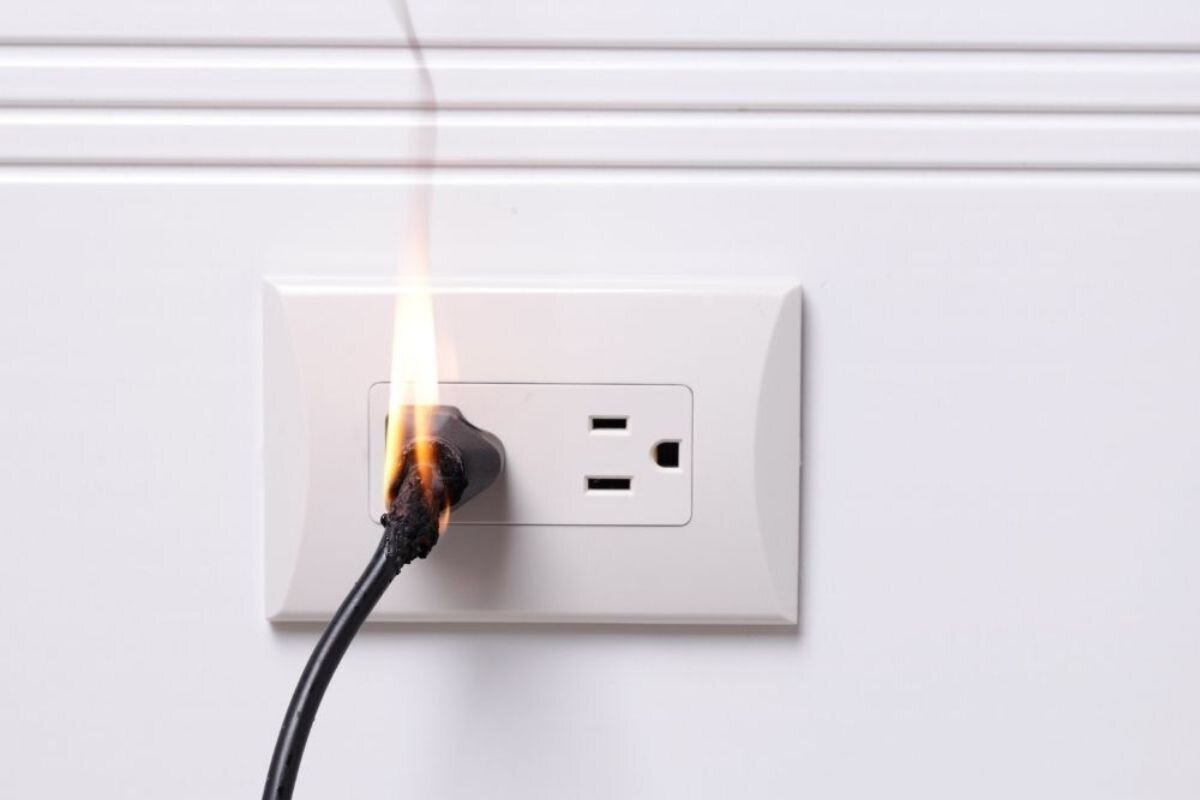
Most of the time, your home’s electrical system runs quietly in the background. The lights turn on, the appliances hum, and the outlets work as expected. But when something starts to feel “off”, a faint burning smell, flickering lights, or a breaker that keeps tripping, it’s often a sign that something more serious is brewing behind your walls.
Electrical problems rarely appear all at once. They escalate gradually. The longer you wait to address them, the more likely they will lead to fire risks, power loss, or expensive emergency repairs.
Below are the most common warning signs that Cincinnati homeowners should never overlook, especially if they want to avoid preventable hazards.
1. Outlets That Feel Warm or Look Discolored
Outlets should never feel hot or even warm after use. If they do, it’s often a red flag that there’s too much current passing through the circuit, or that wires behind the wall are loose, degraded, or improperly installed.
You might also see:
- Slight discoloration or browning around the plug openings
- A plastic smell that resembles burning or melting
- Warping around the outlet faceplate
These are early indicators of heat buildup inside your walls. Ignoring them puts your home at risk for electrical fires, especially in older homes that rely on aging wiring systems.
2. Lights That Flicker, Pulse, or Dim
A flickering lightbulb might seem harmless, but consistent dimming or pulsing often points to an overloaded circuit, an imbalanced panel, or deteriorating connections.
Key clues to pay attention to:
- Lights dimming when the HVAC, microwave, or fridge turns on
- Fixtures flickering even after replacing bulbs
- Light brightness fluctuates in multiple rooms
This behavior typically means your electrical system is struggling to deliver stable power across circuits, and it’s a sign that you should have an electrician inspect your setup before it worsens.
3. Breakers That Trip More Than They Should
Circuit breakers are designed to protect your home. When they trip, they shut off power to prevent overheating and potential electrical fires. But if you’re resetting the same breaker week after week, that’s a problem.
Frequent breaker trips could mean:
- You’re overloading the circuit with too many devices
- An appliance is malfunctioning
- There’s a short or ground fault in the wiring
- Your panel is outdated and can’t keep up with demand
Rather than ignoring the trips or avoiding certain appliances, it’s best to find and fix the root cause with the help of a licensed electrician.
4. Unusual Odors or Sounds from Electrical Fixtures
Electricity should be silent and invisible. If you hear buzzing, hissing, or crackling near your outlets or breaker panel, it may be the sound of arcing, where electricity jumps across gaps due to damaged or loose wiring.
Likewise, you may have overheated insulation or wiring inside the walls if you smell something burning and can’t trace it to a visible source.
These signs are urgent. Turn the power off to the affected area and call an electrician immediately.
5. Two-Prong Outlets or Lack of Grounding in an Older Home
If your home still has two-prong outlets, it likely means your electrical system hasn’t been updated in decades. These outlets don’t include a ground wire, which is critical for safely directing stray current and preventing shocks.
Even if the outlets “work,” they’re not safe by modern standards, especially for today’s electronics, which require grounding to protect from surges.
Upgrading to three-prong grounded outlets is not just a safety upgrade; it’s a basic requirement in most updated homes.
6. Heavy Use of Extension Cords or Power Strips
Extension cords are designed for temporary use. If you rely on them daily, especially in older homes with limited outlets, it’s a sign your home isn’t wired for your current needs.
Overusing power strips and cords increases the risk of overheating, tripping, or fires. A better solution? Have an electrician add dedicated outlets or circuits where they’re most needed.
7. A Gut Feeling That Something’s Wrong
Homeowners often sense when something doesn’t feel right, even if they can’t explain it. A tingling shock when you plug something in, a delay in lights turning on, or a persistent hum in the wall are all worth paying attention to.
In these moments, it’s better to investigate early than to wait until the lights go out, or worse.
If you’re unsure whether a minor issue is worth calling in help, recognizing the signs professionals look for before an electrical issue becomes an emergency can help you act early, avoid costly repairs, and keep your home safe. A licensed electrician can evaluate your system, identify risks, and ensure everything runs as it should.

