


Texas homeowners have learned an important lesson over the past several years: power outages are no longer rare events. Severe thunderstorms, high winds, ice storms, extreme summer heat, and increasing strain on the electrical grid have made power reliability a major concern for families throughout Central Texas. While many people think about backup power only after experiencing a blackout, a growing number of homeowners are taking a more proactive approach by developing a long-term power reliability strategy.
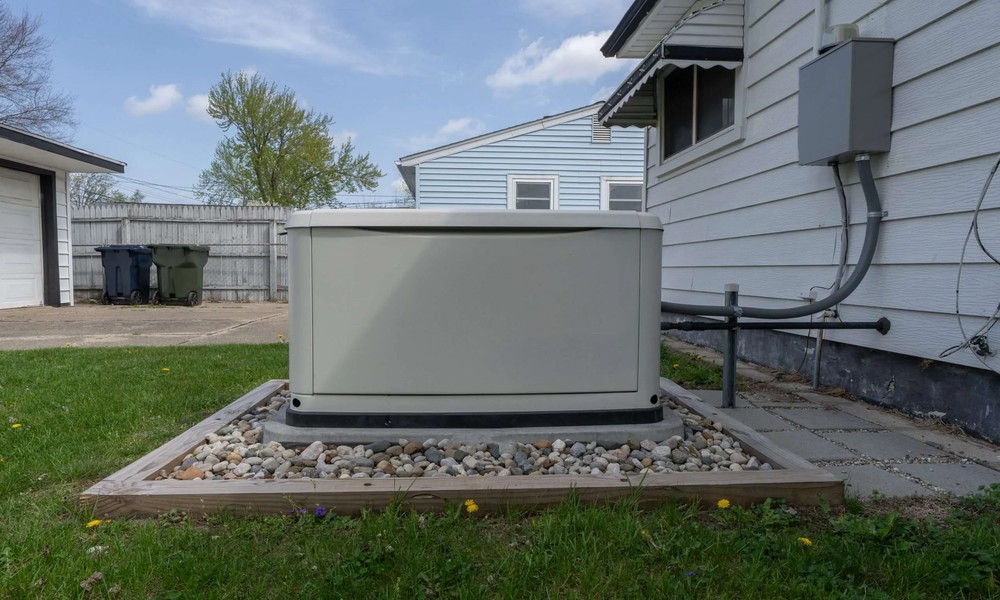
A professionally designed standby generator installation in Austin, TX is often one of the most important pieces of that strategy. Unlike portable generators that require manual setup and fueling, standby generators automatically detect power loss and begin supplying electricity to the home within seconds. However, choosing a generator is only one part of creating a resilient electrical system.
Today’s homeowners are looking beyond simple backup power and considering generator placement, fuel options, electrical infrastructure upgrades, surge protection, smart home integration, and ongoing maintenance. By approaching backup power as a complete system rather than a single appliance, Austin residents can better protect their homes and families during unexpected utility disruptions.
Why Long-Term Power Reliability Matters in Austin
Austin’s growing population and expanding electrical demands continue to place pressure on local infrastructure. At the same time, weather events have become increasingly unpredictable. A severe thunderstorm may cause neighborhood outages for several hours, while larger regional events can leave some homeowners without power for days.
When electricity goes out, the effects extend far beyond losing lights. Homeowners may face:
- Loss of air conditioning during dangerous summer temperatures
- Refrigerated food spoilage
- Inoperable well pumps or water systems
- Security system interruptions
- Internet and communication outages
- Frozen pipes during winter weather emergencies
- Medical equipment disruptions
- Lost productivity for remote workers
For many families, maintaining power isn’t just about convenience. It helps preserve safety, comfort, and the functionality of critical home systems.
Choosing the Right Generator Size
One of the biggest mistakes homeowners make is assuming larger generators are always better. While it may seem logical to purchase the largest unit available, generator sizing should be based on actual electrical demand.
A properly sized standby generator is designed around the home’s essential loads and lifestyle needs. Some homeowners want whole-house coverage, while others prioritize critical circuits such as:
- HVAC systems
- Refrigerators and freezers
- Lighting
- Medical equipment
- Home offices
- Internet and networking equipment
- Security systems
- Water heaters
- Well pumps
Oversizing a generator can increase installation costs, fuel consumption, and maintenance expenses without providing meaningful benefits. A licensed electrician can perform a load calculation to determine the ideal generator capacity for the property.
Generator Placement Considerations
Where a standby generator is installed can significantly impact performance, safety, and compliance with local regulations.
Several factors influence placement decisions:
Ventilation Requirements
Generators produce exhaust gases and require adequate airflow for safe operation. Manufacturers establish minimum clearance requirements from windows, doors, vents, and combustible materials.
Accessibility
Routine maintenance is an important part of generator ownership. Technicians should have easy access for inspections, oil changes, filter replacements, and repairs.
Noise Management
Modern standby generators operate much more quietly than older models, but noise should still be considered. Strategic placement can help minimize sound levels near bedrooms, patios, and neighboring properties.
Flood and Drainage Conditions
Austin’s heavy rain events can create drainage concerns in some areas. Proper site preparation helps prevent water-related damage and operational issues.
A professional evaluation ensures the installation location meets manufacturer specifications and local code requirements.
Natural Gas vs. Propane: Which Fuel Source Is Better?
Fuel source selection is one of the most important decisions homeowners make during a standby generator installation in Austin, TX.
Both natural gas and propane offer unique advantages.
Natural Gas Generators
Natural gas is often the preferred option when utility gas service is already available.
Benefits include:
- Continuous fuel supply from utility infrastructure
- No onsite fuel storage required
- Lower maintenance concerns related to fuel storage
- Convenient long-term operation
Potential limitations include reduced availability if gas service is disrupted during a major disaster, although this is relatively uncommon.
Propane Generators
Propane systems utilize onsite storage tanks.
Advantages include:
- Independent fuel supply
- Long fuel shelf life
- Useful for rural properties without natural gas access
- Flexible installation options
The primary consideration is fuel capacity. Extended outages may require propane refills depending on tank size and generator usage.
The best fuel source often depends on the home’s location, utility availability, and backup power goals.
The Importance of Automatic Transfer Switches
One component that often receives less attention than the generator itself is the automatic transfer switch.
This device serves as the control center of the backup power system.
When utility power fails, the transfer switch:
- Detects the outage.
- Signals the generator to start.
- Safely disconnects utility power.
- Transfers electrical loads to generator power.
When utility service is restored, the switch automatically returns the home to normal power and shuts down the generator.
Without a properly installed transfer switch, generator operation can become unsafe and potentially damage equipment or create hazards for utility workers.
Pairing Generators with Electrical Panel Upgrades
Many Austin homeowners discover that installing a generator presents a good opportunity to evaluate the overall condition of their electrical system.
Older homes may have:
- Limited panel capacity
- Crowded breaker spaces
- Aging electrical components
- Inadequate service sizes for modern electrical demands
As households add electric vehicles, home offices, hot tubs, advanced HVAC systems, and smart home technology, electrical demand often increases significantly.
Pairing standby generator installation in Austin, TX with an electrical panel upgrade can improve overall system performance while creating a stronger foundation for future growth.
Whole-Home Surge Protection Adds Another Layer of Security
Power outages are not the only threat to home electrical systems. Voltage spikes and surges can damage expensive electronics and appliances.
Surges may originate from:
- Lightning activity
- Utility grid switching
- Large motor loads
- Internal electrical events
Whole-home surge protection works alongside backup power systems to help protect:
- HVAC equipment
- Televisions
- Smart appliances
- Computers
- Home automation devices
- Networking equipment
A comprehensive power reliability plan often includes both generator protection and surge suppression.
Smart Home Integration and Backup Power
Today’s homes rely heavily on connected technology. Smart thermostats, security cameras, automated lighting systems, and remote monitoring tools all depend on electricity.
When integrated properly, standby generators help maintain operation of these systems during outages.
Many modern generators also provide:
- Mobile monitoring apps
- Maintenance alerts
- Performance reporting
- Remote status notifications
This visibility allows homeowners to monitor backup power systems even when away from the property.
Dedicated Circuits for Critical Equipment
Some homeowners native to Texas choose to prioritize specific electrical loads during outages.
Dedicated circuits can be designed for critical equipment such as:
- Medical devices
- Refrigeration
- Home networking equipment
- Security systems
- Well pumps
- Essential lighting
This approach allows homeowners to maximize generator efficiency while ensuring the most important systems remain operational.
An experienced electrician can help identify which circuits should receive priority during emergency conditions.
Maintenance Is Essential for Reliability
A generator is only useful if it starts when needed.
Routine maintenance typically includes:
- Oil changes
- Filter replacements
- Battery inspections
- Fuel system checks
- Coolant inspections
- Load testing
- Software updates when applicable
Most standby generators perform automatic self-tests, but professional inspections remain important.
Skipping maintenance can increase the risk of failure during an actual emergency, which defeats the purpose of investing in backup power.
Understanding Local Permitting Requirements
Generator installations involve more than simply placing equipment beside a home.
- Electrical permits
- Utility coordination
- Gas line modifications
- Local code compliance inspections
- Manufacturer installation standards
Austin-area regulations exist to help ensure installations are safe and properly integrated with existing electrical systems.
Working with a qualified contractor helps simplify the permitting process while reducing the risk of costly compliance issues.
Can a Handy Homeowner Install a Standby Generator?
Many Texas homeowners enjoy tackling do-it-yourself projects, and there are certainly some home improvement tasks that can be completed safely without professional assistance.
However, standby generator systems are generally not one of them.
A typical installation may involve:
- High-voltage electrical connections
- Main service panel modifications
- Transfer switch installation
- Utility coordination
- Natural gas or propane connections
- Load calculations
- Grounding and bonding requirements
- Permit acquisition and inspections
Mistakes can lead to equipment damage, code violations, fire hazards, electrocution risks, or dangerous backfeeding conditions.
Because of these complexities, most homeowners are better served by hiring Texas licensed electricians who regularly perform these installations. Experienced Austin electrical professionals understand local permitting requirements, utility coordination procedures, code compliance standards, and manufacturer specifications.
For something as critical as whole-home backup power, professional installation provides peace of mind that the system will operate safely and reliably when it matters most.
Building a More Resilient Home
The conversation around backup power has evolved. Homeowners are no longer focusing solely on surviving the next outage. Instead, they’re investing in long-term electrical resilience.
A properly planned standby generator installation in Austin, TX can serve as the foundation of that strategy. When combined with panel upgrades, surge protection, smart home integration, dedicated circuits, and ongoing maintenance, a standby generator becomes part of a larger system designed to keep a home functional during severe weather and extended utility disruptions.
As Austin, Texas continues to grow and weather conditions remain unpredictable, taking a comprehensive approach to power reliability can help homeowners stay comfortable, protected, and prepared for whatever challenges lie ahead.

