


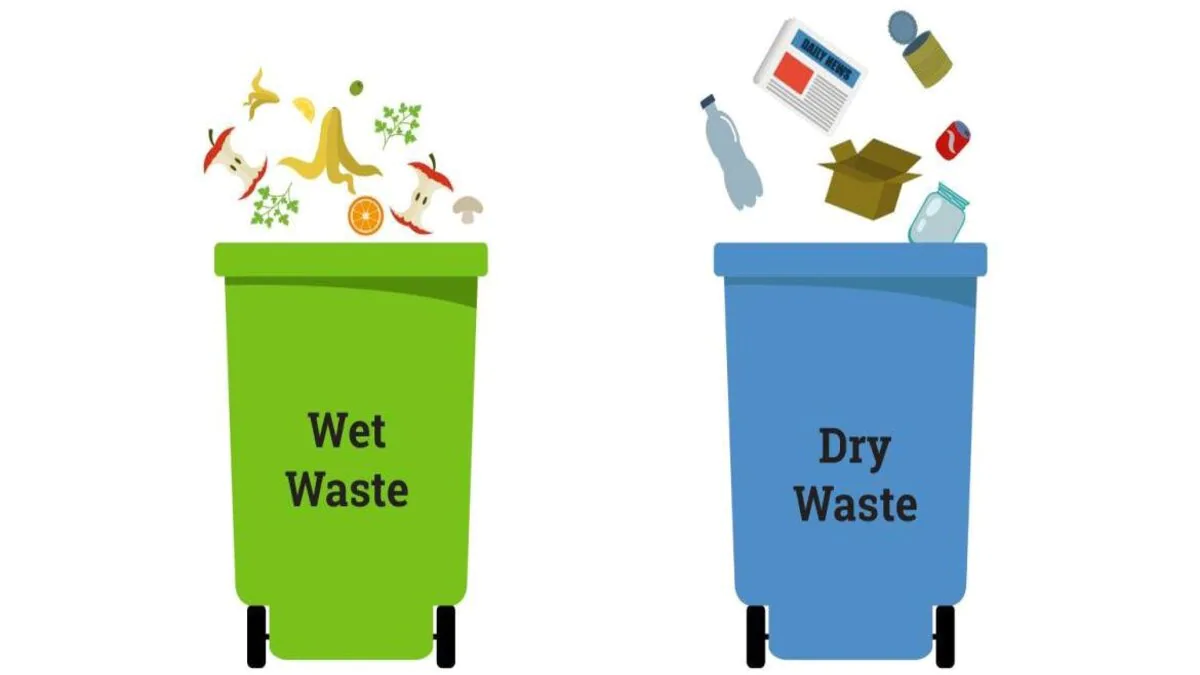
Are you seeking ways to reduce waste and promote sustainability in your commercial space? One of the most effective methods is through proper waste sorting and segregation. Not only does this practice help preserve the environment, but it can also save your business money in the long run. This blog post explores why waste segregation is important and its numerous business benefits. Plus, we’ll provide you with best practices for commercial waste management that will help you implement an efficient system in no time!
-
Why is waste segregation important?
Waste segregation is a crucial practice that involves sorting different waste materials into separate containers based on their category. This process helps prevent contamination and improves the efficiency of recycling and disposal of hazardous business waste.
One of the primary reasons why waste segregation is important is because it reduces environmental pollution. However, when different types of waste are mixed, it becomes difficult to recycle or dispose of them safely without causing harm to the environment.
Moreover, proper waste segregation promotes sustainability by reducing carbon emissions and conserving natural resources. For instance, when organic waste such as food scraps and yard trimmings are separated from other wastes, they can be composted to create nutrient-rich soil for gardens and farms.
In addition to its environmental benefits, segregating commercial waste can help businesses save money on disposal costs by reducing the amount of non-recyclable materials sent to landfills. Furthermore, businesses that implement effective waste management systems demonstrate their commitment towards promoting sustainable practices in their industry.
-
What are the benefits of commercial waste segregation?
Commercial waste segregation separates different waste types to facilitate proper disposal or recycling. This practice offers numerous benefits beyond environmental conservation, such as cost savings and regulatory compliance.
Firstly, segregating commercial waste enables organisations to reduce their operational costs by minimising landfill fees and maximising revenue from recyclables. It also helps businesses comply with government regulations on waste management practices, avoiding hefty fines and legal penalties.
Secondly, effective commercial waste segregation promotes sustainability by reducing greenhouse gas emissions associated with landfilling and incineration. Finally, recycling materials reduces the raw resources needed for manufacturing new products while conserving energy in production processes.
Good commercial waste segregation practices foster a positive public image for companies prioritising social responsibility. Customers are more likely to support businesses concerned about environmental issues and demonstrate sustainable operations.
Adopting best practices in commercial waste segregation reaps multiple benefits for organisations operating in today’s eco-conscious world.
-
How to sort and segregate commercial waste?
Sorting and segregating commercial waste is essential to proper waste management practices. It involves separating different waste materials, such as recyclables, hazardous wastes, organic wastes, and non-recyclable items, to make the disposal process more efficient and environmentally friendly.
The first step in sorting and segregating commercial waste is to identify the different types of waste generated by your business operations. This can be done by thoroughly auditing your company’s garbage output.
Once you have identified the various categories of commercial waste produced, it’s time to set up separate bins for each type. Label each bin with clear instructions on what should go inside.
Ensure that all employees know how to use these bins correctly by providing them with training on proper segregation methods. Creating posters or infographics indicating which items go into which bin could also help educate staff members about this practice.
Apart from setting up individual containers for segregated trash at workstations, consider placing collection points around common areas like break rooms or bathrooms where employees can dispose of their garbage properly without mixing any unwanted materials.
-
Best practices for commercial waste management
Businesses should follow a few best practices when it comes to commercial waste management. Proper waste sorting and segregation are critical for efficient and environmentally responsible disposal. Here are some tips on how to manage your commercial waste effectively.
Firstly, ensure you have designated areas for different types of waste, such as recyclables, organic matter, hazardous materials and general trash. This will help employees know where to dispose of their items correctly.
Secondly, provide clear signage in these designated areas so everyone knows what goes where. Finally, use pictures or colour coding to make it even more accessible.
Next up, educate your employees about the importance of proper waste management and encourage them to participate in any recycling programs available at work. Again, a positive workplace culture around environmental responsibility can significantly reduce overall waste generation.
Another tip is to invest in equipment like compactors or balers, which can help reduce the volume of trash generated by compressing materials into smaller sizes before they’re disposed of offsite.
Regularly review your company’s procedures surrounding commercial waste management. Keep track of how much you’re generating versus how much you’re recycling and see if there are ways you could improve upon those numbers over time with new initiatives or processes.
By following these best practices, businesses can ensure that they’re managing their commercial wastes efficiently while also being mindful towards the environment!
-
Conclusion
Commercial waste sorting and segregation are crucial aspects of waste management that cannot be ignored. It not only helps to reduce the environmental impact of businesses but also saves costs associated with transportation and disposal.
By implementing best practices such as training employees on proper waste handling, choosing appropriate containers for different types of waste, and regularly monitoring waste management processes, businesses can ensure they effectively manage their waste in an environmentally responsible manner.

