


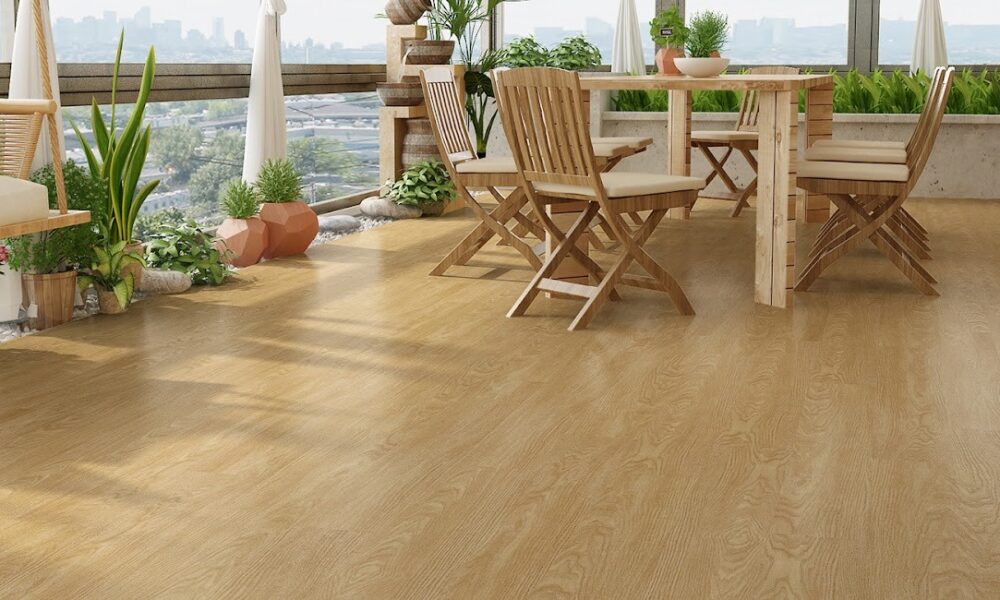
What Is SPC Flooring?
Short for stone plastic composite, SPC flooring is designed to identically reproduce traditional parquet materials such as stone, ceramic, or wood, yet offers many more practical benefits as you will see later on in the article. Using honest photographic prints along with a clear, vinyl top layer, SPC opens the door to a wide range of design ideas.
SPC flooring is usually contained the four following layers in mind:
Wear Layer — playing a vital role in the lifespan of your tiles, this layer uses clear coverings such as aluminum oxide that will keep your floor from rapidly wearing.
Vinyl Top Layer — Certain finest types of SPC come manufactured with realistic, 3D visuals that can be installed to identically look like stone, ceramic, or wood.
Rigid Core — The basic layer is where you get the most bang for your buck. Here, you will find a high-thickness, yet stable waterproof center that provides rigidity and stability to the plank.
Backing Layer — Otherwise known as the parquet’s backbone, this layer offers your planks added sound installation, as well as being logically resistant to mold and mildew.
SPC flooring, known for its durability and versatility, finds relevance in the realm of 2D and 3D Floor Plan Conversion experts. Understanding SPC flooring aids in creating accurate visual representations within floor plans. Conversion specialists utilize this knowledge to integrate SPC flooring specifics, ensuring precise and realistic depictions in their designs.
Is SPC Flooring a Good Choice?
If durability, endurance, and ease of installation are important to you, SPC parquet flooring is a great choice. This luxury vinyl flooring can imitate the look of natural materials without the extra cost and upkeep. However, if you are looking to enhance the value of your home, natural stone such as marble, quartz, or granite flooring is a well choice.
Disadvantages of SPC flooring
No Extra Resale Value Added
Many might thought that fixing SPC flooring in your property will help elevate the resale worth. But here’s the cold tough truth… unlike hardwood flooring, SPC flooring is not providing any further value if you plan to resell your property.
Difficult To Remove Once Installed
You would need time and tolerance if you are planning to remove installed SPC flooring yourself. Dependent on the type of SPC flooring installed, removing the adhesive type would certainly cause you a mess.
Susceptible To Sharp Objects
Heavy furniture, pet paws, sand, or any sharp substances will leave scratches and abrasions on the SPC parquet surface.
Extra care is needed when it comes to communication with sharp and abrasive objects. Always remember to cover the SPC parquet with a layer of felt, mat, or rugs to keep your flooring surface smooth.
Sensitive To Moisture
Not all SPC parquet is sensitive to moisture. However, SPC flooring of lower grade may swell or fade when in contact with moisture in a long term. Dampness that traps under the SPC floor will boost the growth of mold and cause odor.
Unable To Be Refinished Or Repair
Despite that SPC flooring is generally known for its high toughness, some low-quality SPC flooring is easier to wear out or scratch. Once it’s damaged, it is difficult to repair and the worse is no refinishing labor can be done. The only option is to have that specific piece replaced.
SPC tile or board is much easier to replace compared to an SPC piece in most cases. So you should put this to ponder before choosing the type of SPC flooring best fits your use.

