


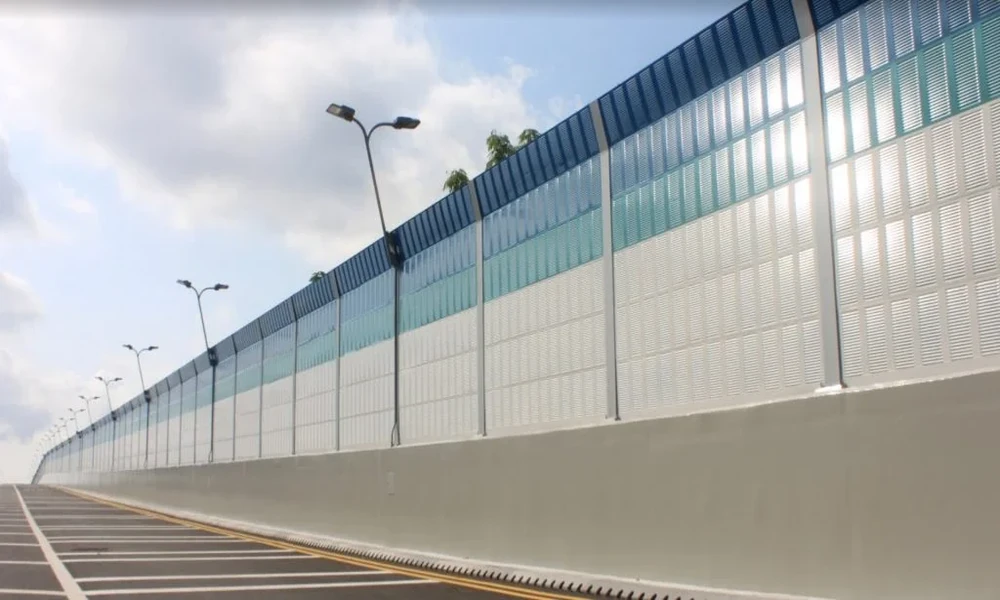
Working on construction projects in Singapore comes with a clear set of responsibilities, and noise control is one of the most closely monitored. With dense residential areas, mixed-use developments, and strict environmental standards, contractors are expected to manage noise carefully throughout every phase of a project.
Yet despite clear guidelines, penalties related to noise are still fairly common. The issue is not always a lack of awareness. More often, it comes down to gaps in execution, planning, or day-to-day site management.
Understanding what tends to go wrong can help contractors avoid unnecessary fines and keep projects running smoothly.
Why Noise Compliance Is Taken Seriously
Singapore’s urban density means that construction activity often takes place very close to homes, offices, schools, and healthcare facilities. Even moderate noise levels can quickly become disruptive when exposure is frequent or prolonged.
Regulations are designed to limit this impact, with stricter controls during evenings, nights, and weekends. Authorities also expect contractors to actively monitor and manage noise, rather than reacting only when complaints arise.
Non-compliance can lead to fines, stop-work orders, and reputational damage, which makes it an area that cannot be overlooked.
Exceeding Permissible Noise Levels
One of the most common reasons contractors are penalised is simply exceeding allowable noise limits.
This often happens during high-impact activities such as piling, demolition, or heavy drilling. While these activities are expected to generate noise, they still need to be managed within defined thresholds.
In many cases, the issue is not the activity itself but the lack of sufficient mitigation measures. Without proper controls in place, even routine operations can push noise levels beyond acceptable limits.
Regular monitoring and timely adjustments are essential to prevent this from happening.
Carrying Out Noisy Work During Restricted Hours
Timing plays a major role in compliance.
Singapore enforces stricter noise limits during evenings, nights, and on Sundays or public holidays. Contractors who carry out high-noise activities during these periods without proper approval are at a higher risk of penalties.
This is often a planning issue. Tight project timelines may push teams to extend working hours, but without proper scheduling and approvals, this can lead to violations.
Experienced contractors plan their work so that noisier tasks are completed within permitted hours, reducing the risk of breaches.
Inadequate Use of Noise Control Measures
Another common issue is having noise control measures in place but not using them effectively.
For example:
- Sound barriers that are too low or poorly positioned
- Gaps between panels that allow noise to pass through
- Barrier sheets were installed without proper coverage
In these situations, the intention to control noise is there, but the execution falls short.
Authorities assess actual performance, not just the presence of measures. This means that installation quality and placement matter just as much as having the equipment on site.
Poor Maintenance of Equipment
Noise levels can increase significantly when equipment is not properly maintained.
Worn-out machinery, loose components, or lack of servicing can cause unnecessary noise, even during standard operations. This is often overlooked, as the focus tends to be on major noise sources rather than ongoing maintenance.
Regular checks and servicing help keep noise levels under control and reduce the likelihood of unexpected spikes that could lead to penalties.
Lack of Continuous Monitoring
Some contractors rely on periodic checks instead of continuous monitoring.
While occasional measurements may show compliance at a specific moment, they do not capture fluctuations throughout the day. Noise levels can change depending on activity, equipment use, and site conditions.
Without consistent monitoring, it becomes difficult to identify and address issues before they escalate.
Authorities expect a proactive approach, where contractors are aware of their noise levels at all times and can respond quickly when needed.
Delayed Response to Complaints
Noise complaints from nearby residents or businesses are taken seriously. How contractors respond to these complaints can influence enforcement actions.
A slow or inadequate response may lead to further investigation and potential penalties. On the other hand, prompt action and visible efforts to address the issue can help de-escalate situations.
This is why having a clear process for handling complaints is important. It ensures that concerns are acknowledged and resolved efficiently.
Over-Reliance on a Single Solution
Relying too heavily on one method, such as perimeter barriers, is another common mistake.
Noise control works best when multiple measures are combined. Focusing on just one aspect often leaves gaps in the overall strategy.
For example, barriers may reduce noise along the site boundary, but if equipment remains excessively loud, overall levels may still exceed limits.
A balanced approach that includes source control, path control, and operational planning tends to be more effective.
Final Thoughts
Noise compliance in Singapore is not just about meeting regulations on paper. It is about consistent, day-to-day management of how sound is generated and controlled on site.
Most penalties arise not from a single major failure, but from a combination of smaller oversights. Exceeding limits, poor timing, ineffective barrier use, and lack of monitoring all contribute to the problem.
The good news is that these issues are largely preventable. With proper planning, regular monitoring, and a layered approach to noise control, contractors can stay within limits and avoid unnecessary disruptions.

