


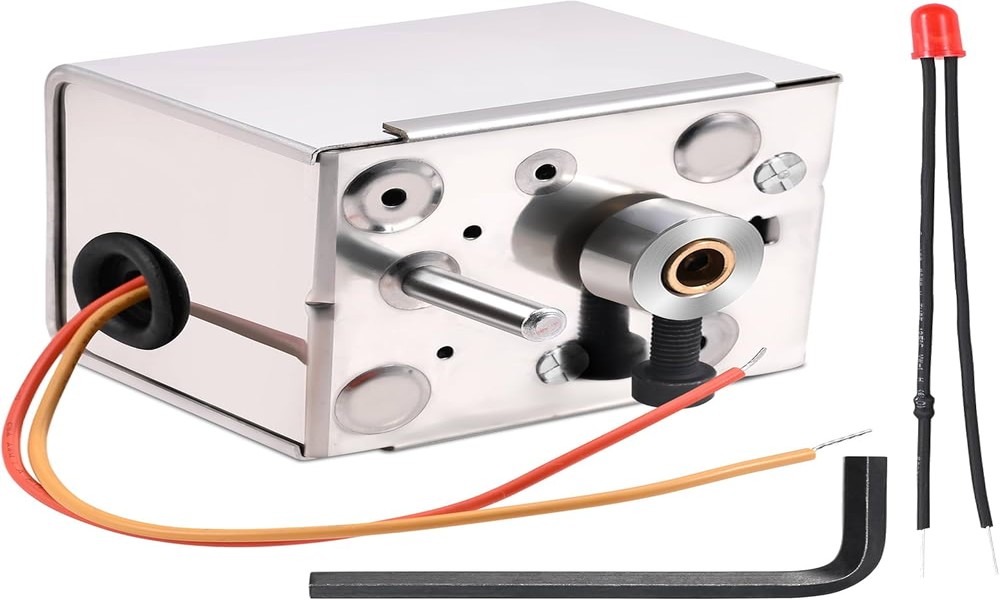
A Lennox damper motor plays an important role in modern HVAC systems by controlling airflow between different zones of a building. It helps regulate temperature, improve comfort, and increase energy efficiency by opening and closing dampers as needed. When the system is working properly, airflow is balanced and consistent. However, when issues arise with the Lennox damper motor, it can lead to uneven temperatures, poor airflow, and reduced system performance. Understanding common problems and how to troubleshoot them can help restore comfort and prevent further damage.
Understanding How a Lennox Damper Motor Works
A Lennox damper motor is an electronic device that operates the dampers inside HVAC ductwork. These dampers are responsible for controlling the flow of air to different rooms or zones. When the thermostat signals a temperature change, the damper motor responds by adjusting the position of the damper blade, either opening or closing it to regulate airflow.
In a properly functioning system, this process happens smoothly and automatically. The motor receives signals from the control system and responds with precise movement. This allows different areas of a building to maintain their desired temperatures independently. Because of this coordination, the Lennox damper motor is essential for zoned HVAC systems that prioritize comfort and efficiency.
When the motor fails or begins to malfunction, the entire balance of the system can be affected. Some rooms may become too hot or too cold, while others receive little to no airflow. Recognizing how the system is supposed to operate is the first step in identifying potential issues.
Common Lennox Damper Motor Problems and Their Causes
One of the most common issues with a Lennox damper motor is the damper becoming stuck in one position. This can happen due to mechanical wear, dust buildup, or a failed internal gear. When this occurs, airflow becomes restricted or fully blocked to certain zones, leading to noticeable temperature imbalances throughout the building.
Another frequent problem is electrical failure. The motor relies on electrical signals to operate correctly, and any disruption in wiring or control signals can prevent it from responding. Loose connections, damaged wires, or faulty control boards can all contribute to this issue. In some cases, the motor may not move at all, even when the system is actively calling for airflow adjustment.
Noise is another indicator of a potential problem. A Lennox damper motor that produces clicking, grinding, or humming sounds may be struggling to operate. This could indicate worn-out gears or internal resistance within the motor assembly. Ignoring these sounds can lead to further damage over time.
Calibration issues can also affect performance. If the motor is not properly aligned with the damper blade, it may not open or close fully. This misalignment can reduce airflow efficiency and place unnecessary strain on the HVAC system. Over time, this can lead to higher energy consumption and reduced comfort levels.
Step-by-Step Troubleshooting Approach
When dealing with a Lennox damper motor issue, the first step is to check the thermostat settings. Sometimes the problem is not mechanical but related to incorrect settings or programming errors. Ensuring that the thermostat is functioning properly can help rule out basic issues before inspecting the motor itself.
Next, inspecting the power supply is essential. A Lennox damper motor requires consistent electrical input to operate. Checking for tripped breakers, loose wiring, or disconnected components can help identify electrical issues. Restoring proper power flow often resolves minor operational problems.
If the motor is receiving power but still not functioning correctly, physical inspection may be needed. This involves checking whether the damper is stuck or obstructed. Dust, debris, or mechanical wear can prevent smooth movement. Carefully cleaning and ensuring that all moving parts are free from obstruction can sometimes restore normal operation.
Testing the motor response is another important step. This can be done by manually triggering the HVAC system to observe whether the damper moves as expected. If there is no movement or inconsistent response, the motor itself may be failing and require repair or replacement.
In more complex cases, control board issues may be the cause. The Lennox damper motor relies on signals from the HVAC control system, and a malfunctioning board can disrupt communication. If all other components appear functional, professional inspection may be necessary to diagnose deeper electrical or system-level problems.
Preventing Future Lennox Damper Motor Issues
Preventive maintenance is key to avoiding repeated problems with a Lennox damper motor. Regular HVAC system inspections help identify early signs of wear before they develop into major failures. Keeping ductwork clean reduces the risk of debris interfering with damper movement.
Ensuring proper calibration during installation or maintenance also helps maintain long-term performance. A correctly aligned motor reduces strain and improves efficiency. Scheduling routine servicing with HVAC professionals can further extend the lifespan of the system.
Monitoring system performance is another helpful practice. Noticing early signs such as uneven temperatures, unusual noises, or reduced airflow can allow for quick intervention before the problem worsens. With proper care and attention, a Lennox damper motor can continue to operate efficiently and support balanced indoor comfort for years.

